 OK
Expiry date and batch
Reading (OCR) and verification of the coding against the production order, including multi-line codes. An alert when the printer starts to fail, before the text becomes unreadable.
Home / Machine vision / Food
Food · Packaging · Quality control
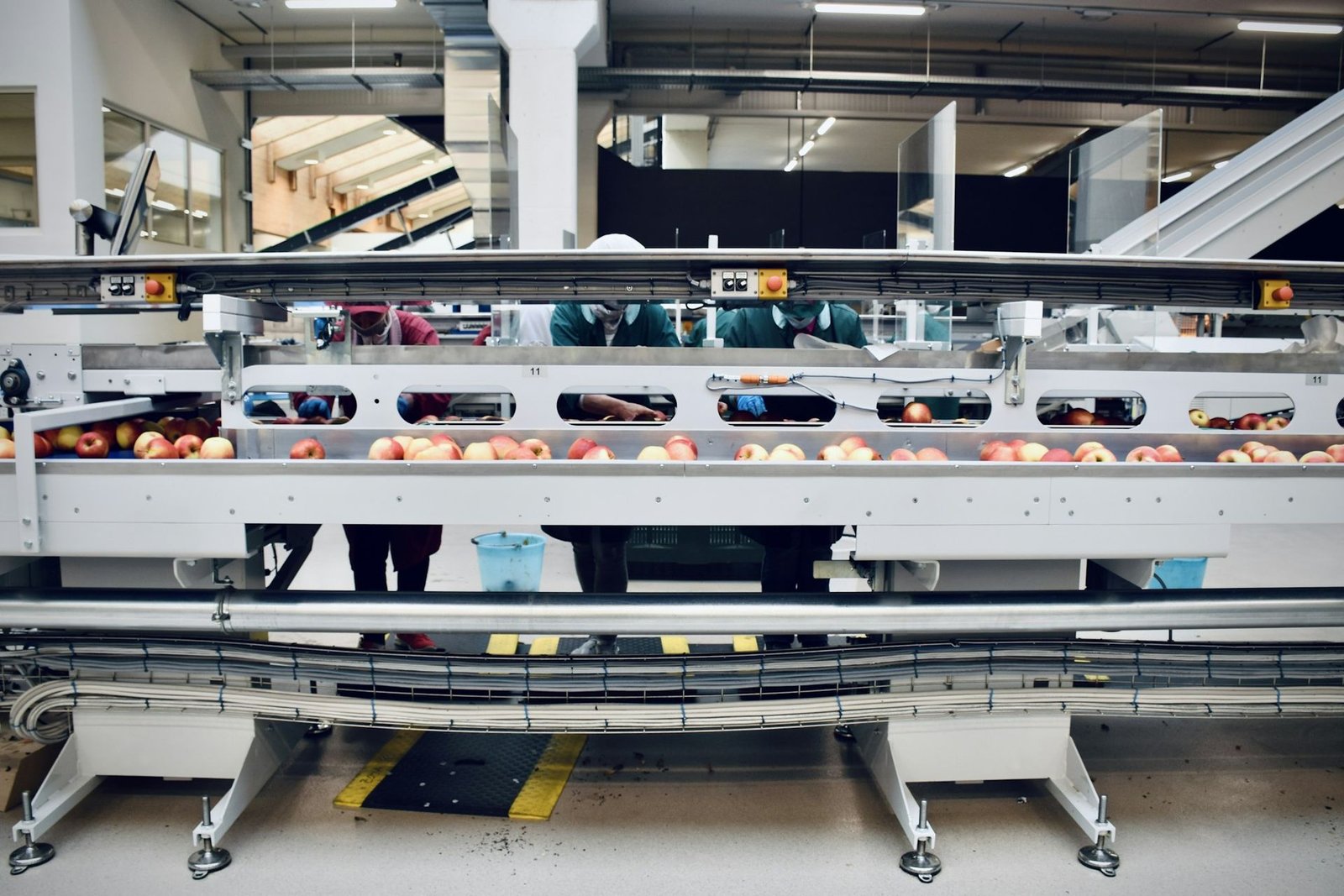
On a food line, an unreadable date, another product's label or a faulty seal ends in a recall, a complaint or a returned pallet. With machine vision we check every pack at line speed, and any pack that fails is rejected with its photo and its reason.
What we check
Checks that can be installed separately or together, at the point on the line where each problem starts.
Reading (OCR) and verification of the coding against the production order, including multi-line codes. An alert when the printer starts to fail, before the text becomes unreadable.
Every pack carries the label of the product being packed, present, straight and in position, with a readable barcode.
Cap presence, height and centring, an intact tamper seal and straw presence on beverage or dairy packs.
Seals on tubs, trays, sachets and cartons: product trapped in the seal, creases or incomplete sealing.
The number of units in every case or multipack, so that no customer receives an incomplete pack.
When the defect varies from one piece to the next (shape, colour, surface), a deep learning inspection learns from good and bad examples.
How it works
HIKROBOT smart cameras, with processing on the camera itself, look at every pack and compare it with the recipe for the current format: which areas to inspect, with which tool and with which tolerance. If anything falls out of range, the pack is rejected and its image is stored with the time, the recipe and the exact reason.
At your line speed
We work on lines of up to 24,000 packs per hour: around 150 ms per pack to capture the image, inspect it and decide. For example, straw presence and code reading on machines running 16,000 packs per hour, or cap presence, seal measurement and reading of a three-line code on machines running 14,400. The rate for each case depends on the tools in the inspection and is confirmed in the feasibility test.
On a dairy carton line, tuning the inspection with the data from every reject cut the waste from good packs being rejected by 80%.
With counting in the multipack, complaints about incomplete packs disappeared.
Every rejected pack is stored with its image: a complaint or an audit is answered with data.
Why it matters
A date or label error (for example, an allergen that does not belong) can force a whole batch to be recalled. A check that rejects too much throws away good product. Well-tuned machine vision protects both: it does not let the bad pack through and it does not throw away the good one. We help you meet your quality audits with a record of every decision on the line.
If your plant packs beverages, see also machine vision for beverages; if it rejects more packs than it should, the false rejects guide explains where they come from and how to reduce them.
FAQ
Expiry date and batch, the right label correctly applied, barcodes, cap, tamper seal and straw, seals on tubs, trays and cartons, the number of units per case or multipack, and defects in the product itself that vary from one piece to the next.
Yes. Cameras and lighting with IP65 and IP67 enclosures are used, designed for washdown areas.
No. The camera is mounted on the existing line and communicates with it through digital I/O or Modbus TCP; the rejecter acts on the pack that fails.
Today we work on lines of up to 24,000 packs per hour. The exact rate depends on the vision tools in each inspection (reading text takes longer than a presence check) and is confirmed in the feasibility test.
It depends on the number of inspection points, the type of check, the installation and the integration with your line. The usual approach is to start with the point that causes the most problems, measure the result and then expand. An engineer gives you the specific figure after studying your case.
We run a remote feasibility test at no cost: you send us photos, videos or samples of your good and bad packs (travel to your plant is not included). What cannot be guaranteed, we tell you up front.
Free remote feasibility test
Send us photos, videos or samples of your packs. We'll tell you what can be checked in-line and with what expected reliability.