 OK
OKDeep learning where classic vision falls short
Seals, surfaces, natural or highly variable products: defects that cannot be described with rules. Neural networks trained on your own products, integrated into the line.
Home / Artificial intelligence
Artificial intelligence · bespoke development
We don't sell AI as a promise. We develop it and use it every day: in vision, in machine maintenance, in the analysis of production data and in our own sales management. What works for us, we bring to your company, tailored to you.

How we see it
Useful artificial intelligence looks very little like the one in the headlines. It is a model that tells a good seal from a bad one, a warning that arrives before a motor stops, a report that writes itself or an assistant that answers with the machine manual in hand. That is what we do.
Where we apply it
These are examples of what we have running today. Each one is adapted to your plant, your product and your systems.
Seals, surfaces, natural or highly variable products: defects that cannot be described with rules. Neural networks trained on your own products, integrated into the line.
Accelerometers, temperature and humidity probes, power consumption. Once there is data, the AI learns the normal behaviour of each motor, gearbox or bearing and warns when something drifts out of the ordinary. And not only motors: any equipment that generates data can be monitored.
It consults the manuals, catalogues and diagrams of your machines and drives and guides the diagnosis step by step. Fewer hours in front of the machine searching through a PDF.
It summarises the week, finds patterns in stoppages and waste and points out where to act first. Reports that arrive on their own, per shift, day or week, in plain language.
Quote follow-ups that are never forgotten, prospecting with agents that prepare the information before every call, emails and reminders drafted and scheduled automatically. We use them ourselves every day.
Our blog and our newsletter are drafted by an agent that follows the sector news; a person reviews, approves and publishes in five languages with one click. The same applies to reports, data sheets or documentation.
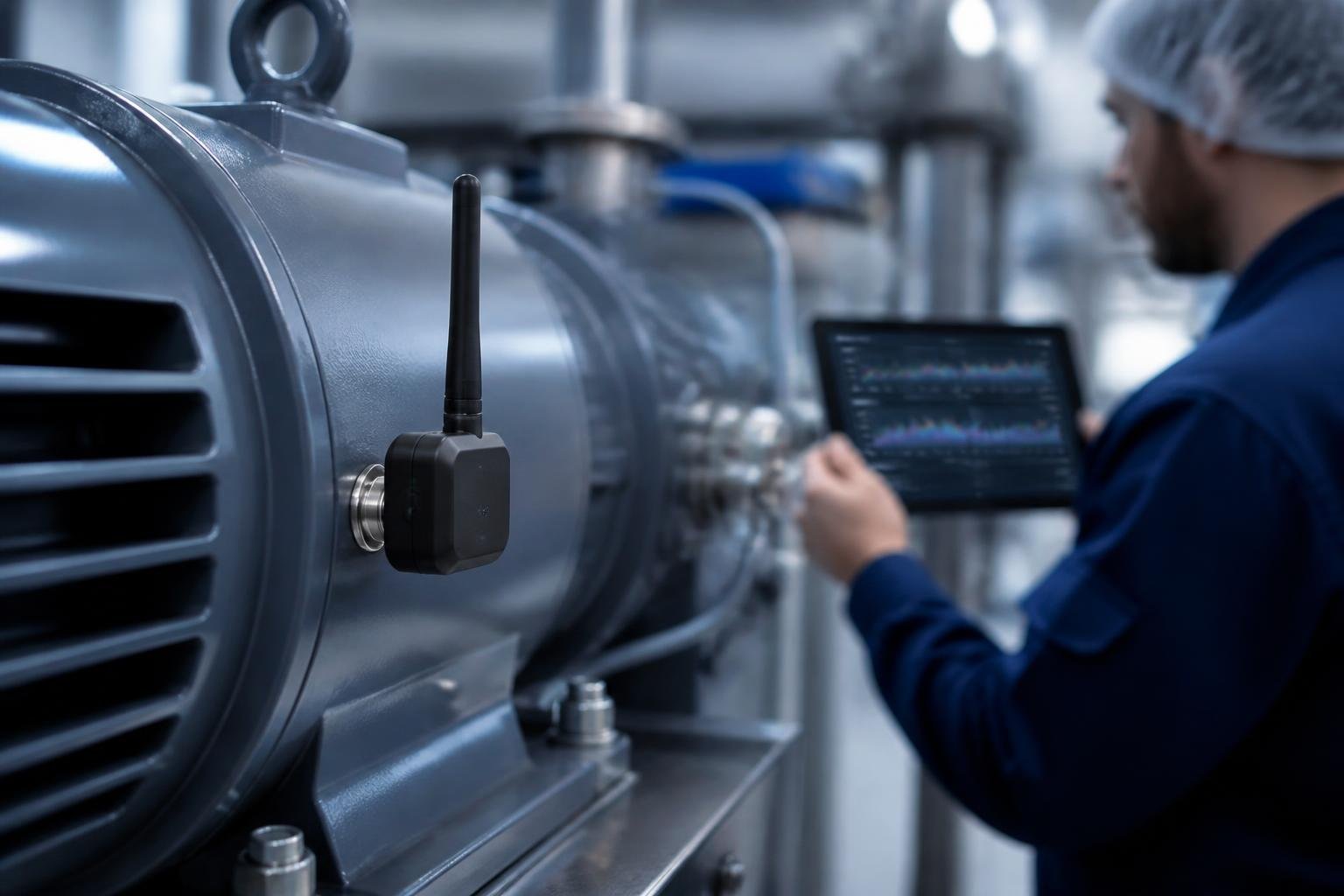
Predictive maintenance
A motor running hot, a bearing starting to vibrate, power consumption creeping up. With accelerometers, temperature and humidity probes and electrical consumption readings, artificial intelligence learns how each piece of equipment normally behaves and warns you when something changes, before the line stops.
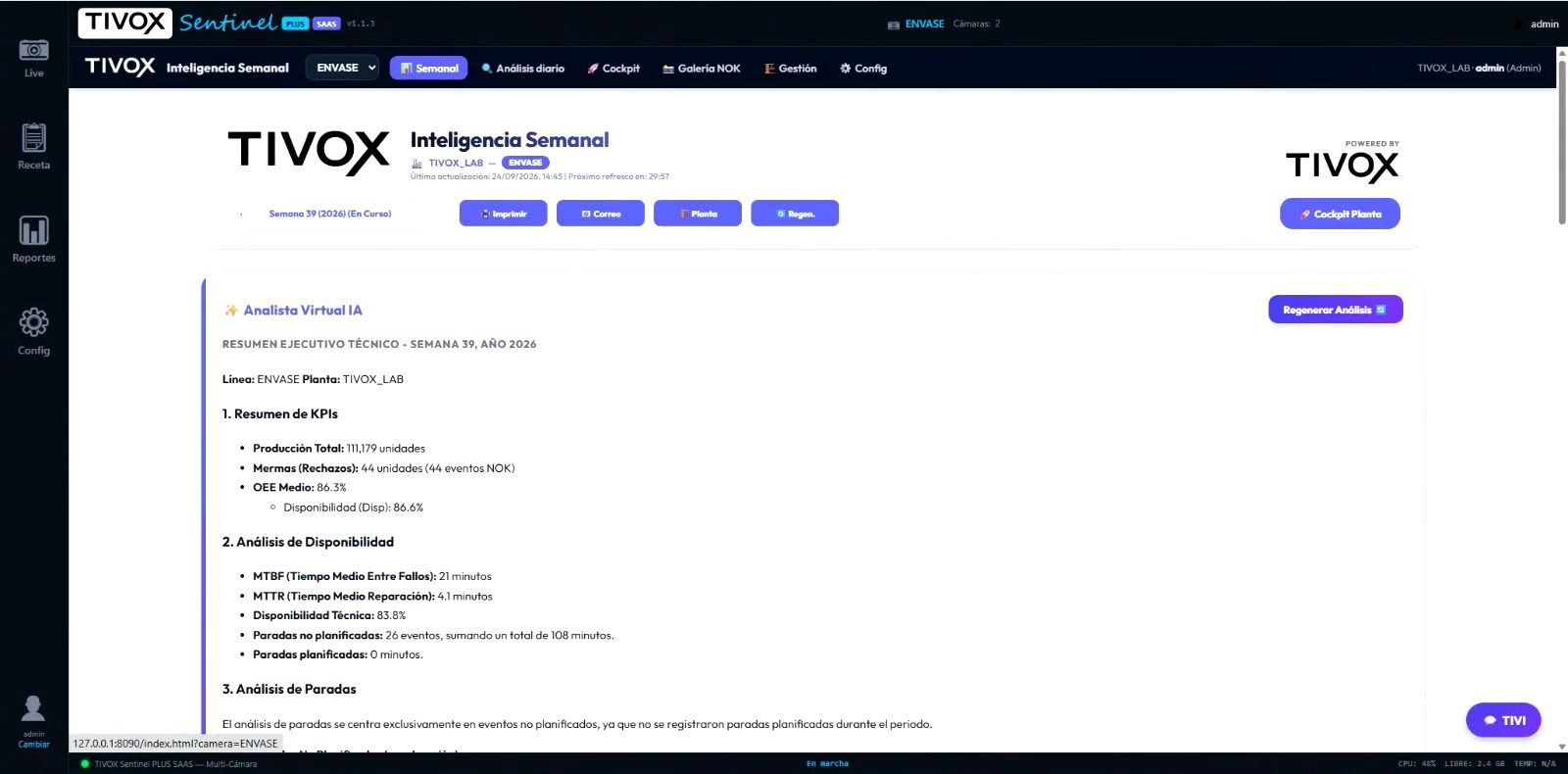
Data
Production, quality, maintenance, purchasing, sales, energy. Almost every company stores more data than it uses. We connect AI to your databases, spreadsheets and current systems and give you answers in plain language: what happened, why, and what is worth doing about it.
How we work
An AI project does not have to be big or expensive to prove that it works.
A visit or a video call to understand the process, the data available and the number you want to improve.
A first, well-defined model with a fixed budget, to see whether it adds value before investing more.
It is deployed as part of your daily routine, with training for your team, and what the AI learns is reviewed with you.
Your idea
New capabilities appear every month, and what was impossible a year ago is an afternoon's work today. In artificial intelligence the limit is set by the idea, not the technology. If you have a process that AI could do better, we study it with you and, if it adds value, we make it happen.
Frequently asked questions
Not always. In vision, a few dozen good and bad parts are enough to start training; in predictive maintenance, a few weeks of sensor data let the AI learn normal behaviour. We tell you honestly whether there is enough data or what is missing.
That is your decision. We can work with models that run on your premises or with cloud services under contract, and we explain it before we start.
No. It takes the repetitive work off their hands and gives them the information sooner: the technician decides with more data and the salesperson calls better prepared.
We start with a well-defined prototype, a matter of weeks, with a fixed budget. If it works, it is scaled up; if not, you will know soon and without having over-invested.
Yes. We connect to what you already have (PLCs, sensors, ERP, spreadsheets) without changing it.
Let's talk
Tell us about the process that takes up most of your time. We will propose a prototype and a way to measure the result.