OK
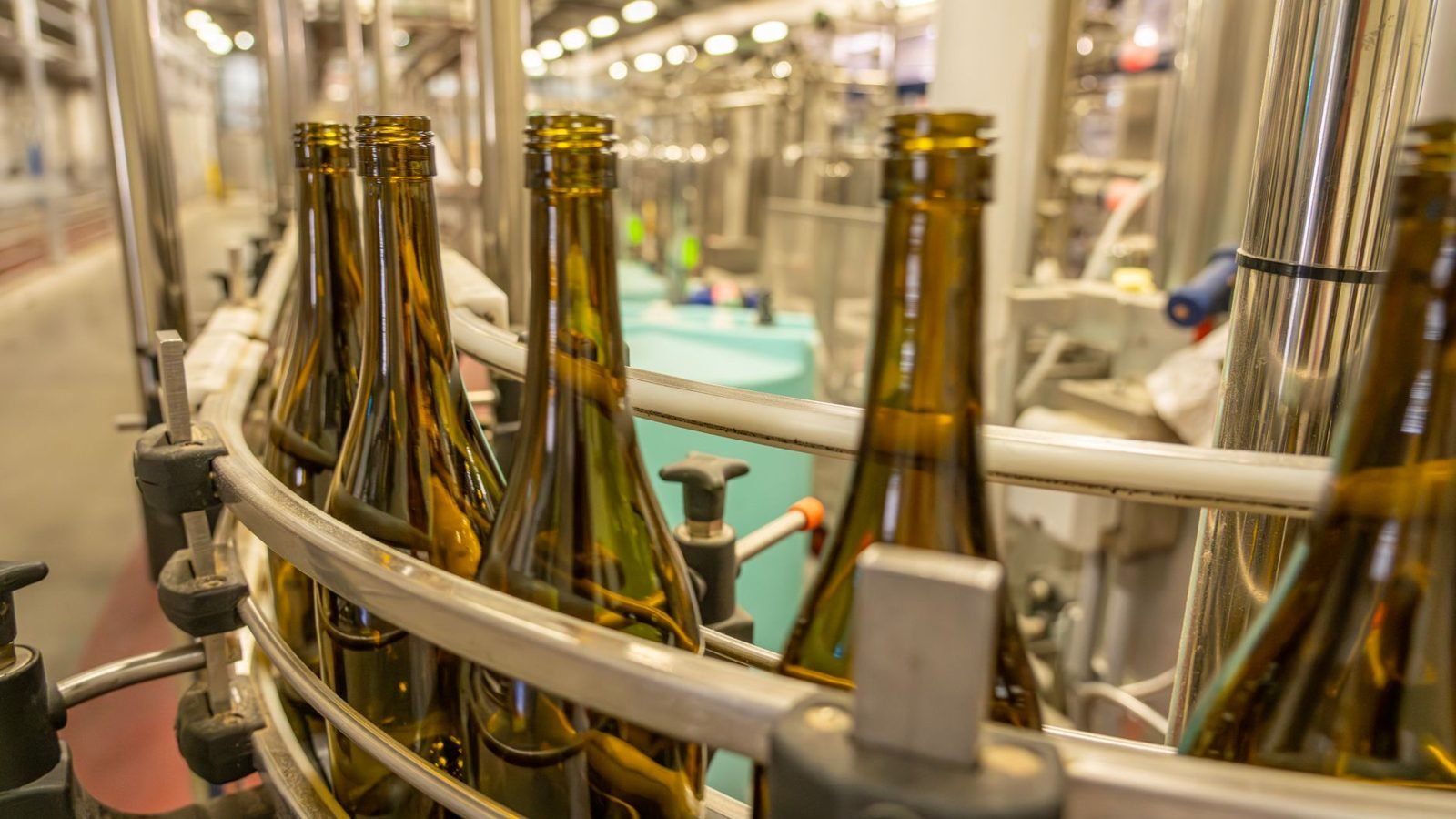
The consortium formed by the cooperative Dcoop and the olive oil group Acesur has won the bidding for Deoleo, owner of brands such as Carbonell, Hojiblanca and Carapelli, in a deal valued at 520 million euros. According to the Europa Press report published by Artículo 14, it was up against Migasa, from Seville, and the Italian company Coricelli, and both Deoleo and its majority shareholders have backed the proposal. The parties have not yet given a closing date.
The news was felt on the stock market: Deoleo fell by more than 21 % on Thursday and, despite rising 2.20 % on Friday to 0.279 euros per share, lost 19.13 % over the two sessions. Spain's Minister of Agriculture, Luis Planas, pointed out that Deoleo does not produce oil: it buys it to bottle and sell it. What is changing hands is, above all, a brands and packaging business.
What it means for a packaging plant
When producers and packers join a brand group, the conversation starts in the boardroom but ends on the lines. In integrations like this it is common to review what is packed where: which brands and formats go to each plant, which lines take on more SKUs and which change product. Nothing has been announced in this case; it is what usually comes next, and it pays to be ready for it.
The first step is knowing what each line really delivers. Not the nominal capacity on the datasheet, but real speed, stops and their causes, waste and OEE per shift. If each plant measures in its own way (one counts micro-stops and another does not, one includes cleaning and another leaves it out), comparison is impossible and decisions are made on impressions. Measuring the same way everywhere, with the same definitions, comes before any reallocation. We explain this on our OEE, stops and waste page.
The second is technical condition. Before moving a brand to another line, you need to know whether that line can handle the format: the bottle, the cap, the case, the changeover time, the age of PLCs and HMIs, critical spare parts. Moving production has a lot in common with moving house, as we explained when looking at how to relocate lines.
The third is the label. In bottled oil, a single line may fill several brands in PET and glass, in different sizes and for several markets. When new SKUs arrive, changeovers increase and, with them, the risk of mixing up front labels, back labels or batches. Every changeover counts, as we saw with Foodiverse's 1,600 SKUs. Checking the label, date and batch code of every container on the line stops a changeover mistake from ending in a recall.
And the fourth is people. Bringing plants together means bringing ways of working together. Unifying start-up, changeover and stop-logging procedures costs far less at the beginning than once each plant has spent years with its own.
Key points if your company enters an integration
- Line inventory: real speed, possible formats, changeover times and the condition of PLCs and HMIs, line by line.
- The same definitions: OEE, stops and waste measured the same way in every plant, per line and per shift.
- Data before decisions: a period of reliable records is worth more than nominal capacity when allocating brands.
- Label and batch on every container: more SKUs per line call for checking everything, not just a few samples at changeover.
- Written changeover procedures: one common procedure, with a checklist, for all plants.
Corporate deals are announced in millions of euros; their outcome is decided in stops, changeovers and labels. If your plant is facing something similar, let's talk.