OK
Laboratorios Salvat, the pharmaceutical company headquartered in Esplugues de Llobregat (Barcelona, Spain), will concentrate all its manufacturing at its site in Alcalá de Henares (Madrid). According to Ara, the move will be gradual until 2030 and is part of the strategic plan the company approved in July. Esplugues will keep the corporate headquarters, central offices and R&D, where around 50 people work; production of solids, liquids and sterile liquids will go to Alcalá. The company has opened a geographic mobility process for positions in the Esplugues operations area.
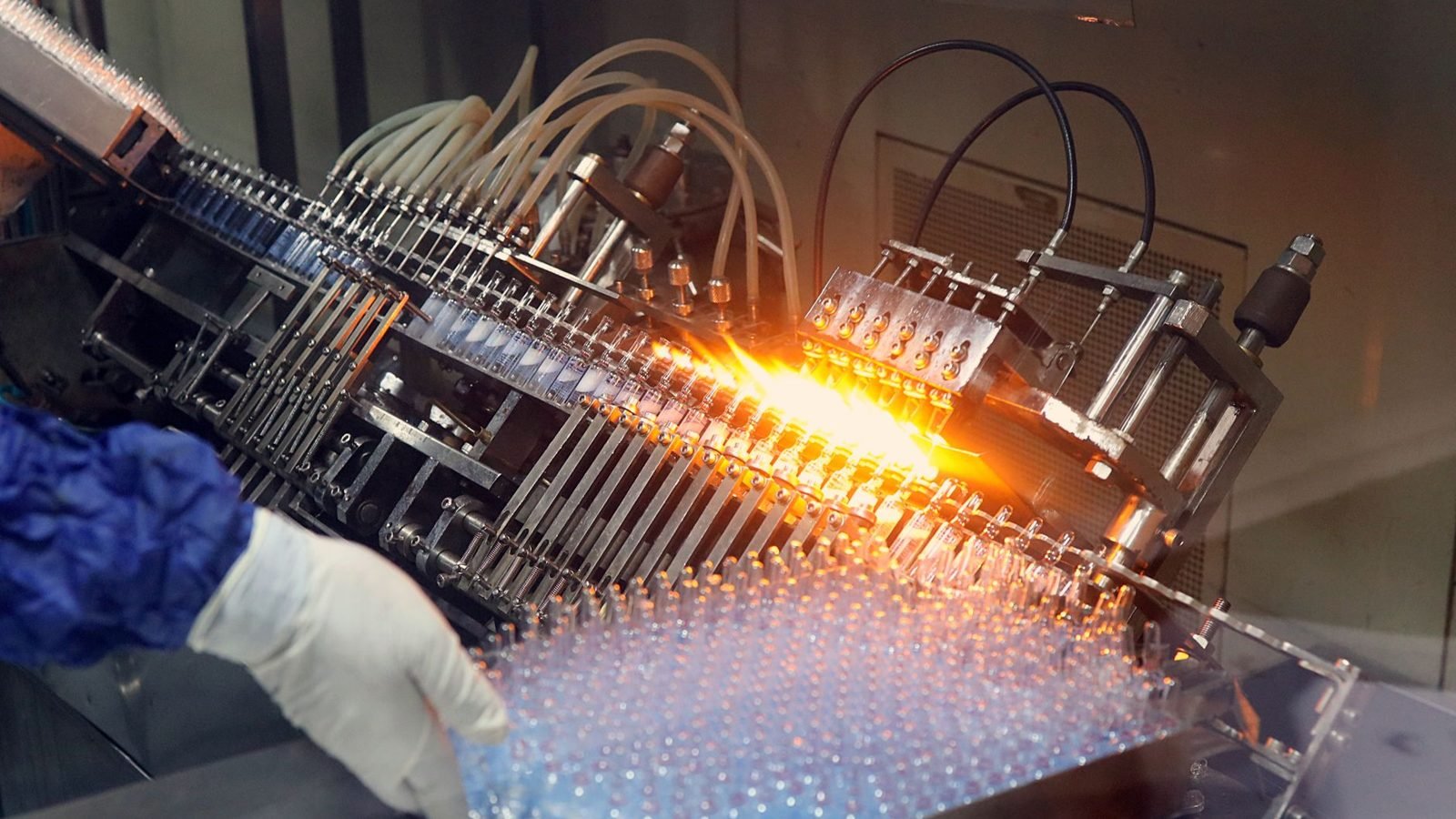
Alcalá is not starting from scratch. Salvat bought the Sigma Tau factory there in 2017 and expanded it in 2020. Today it has two plants: one for non-sterile solids and liquids and another for sterile liquids in Blow-Fill-Seal (BFS) and multidose formats, authorised by the FDA to supply the US market and with capacity for more than 250 million vials a year. The group has a turnover of more than 100 million euros, focuses on ophthalmology and ear, nose and throat, and wants to grow in contract manufacturing (CDMO). The company itself speaks of seeking a «more robust, efficient and prepared» industrial platform.
What it means for a packaging plant
Moving production between plants is one of the most delicate projects in pharma. It is not just about moving machines: every piece of equipment that changes location has to be requalified, every transferred process has to prove it performs as before, and in the meantime the market keeps asking for product. A plan that runs until 2030 gives room, and that room is better used if it is planned with data.
The first step is knowing how each line to be moved performs today. If OEE, stops and their causes, rejects and changeover times are not measured at the origin, there will be nothing to compare with at the destination. And the question management and quality will ask after the move will always be the same: is the line running the same, better or worse than before? Without a measured baseline, the answer will be an opinion.
The second is people. A move with geographic mobility usually means that part of the knowledge of the line does not travel with it. What the experienced operator knows about an adjustment or a recurring fault has to be written down before the move: recipes, parameters, usual incidents and how they were solved.
The third is control in packaging. In pharma, the batch code and expiry date on every pack allow no mistakes, and a newly installed line with new staff is exactly where they are most likely to appear. Vision inspection of 100 % of packs, with every reading recorded, gives traceability from the first batch at the destination. And if the plant also wants to manufacture for third parties, SKUs and changeovers will increase, and with them the risk of mixing packaging materials.
Finally, concentrating everything on one site makes every stop weigh more. Critical equipment arriving from another plant should be watched closely during the first months. We explain how we approach this kind of project on our technical consulting page.
Key points for relocating a line
- Measure before moving: OEE, stops with their causes, rejects and changeovers for each line at the origin.
- Write down what people know: recipes, parameters and usual incidents, before the team changes.
- 100 % inspection from the first batch: batch code, expiry date and label checked and recorded on every pack.
- Compare with numbers: the same measurement at the destination, to know whether the line runs as before.
- Watch critical equipment: during the first months after the move, with operating data.
A well-measured relocation can leave the line better than it was. If you are planning something similar, let's talk.