OK
OK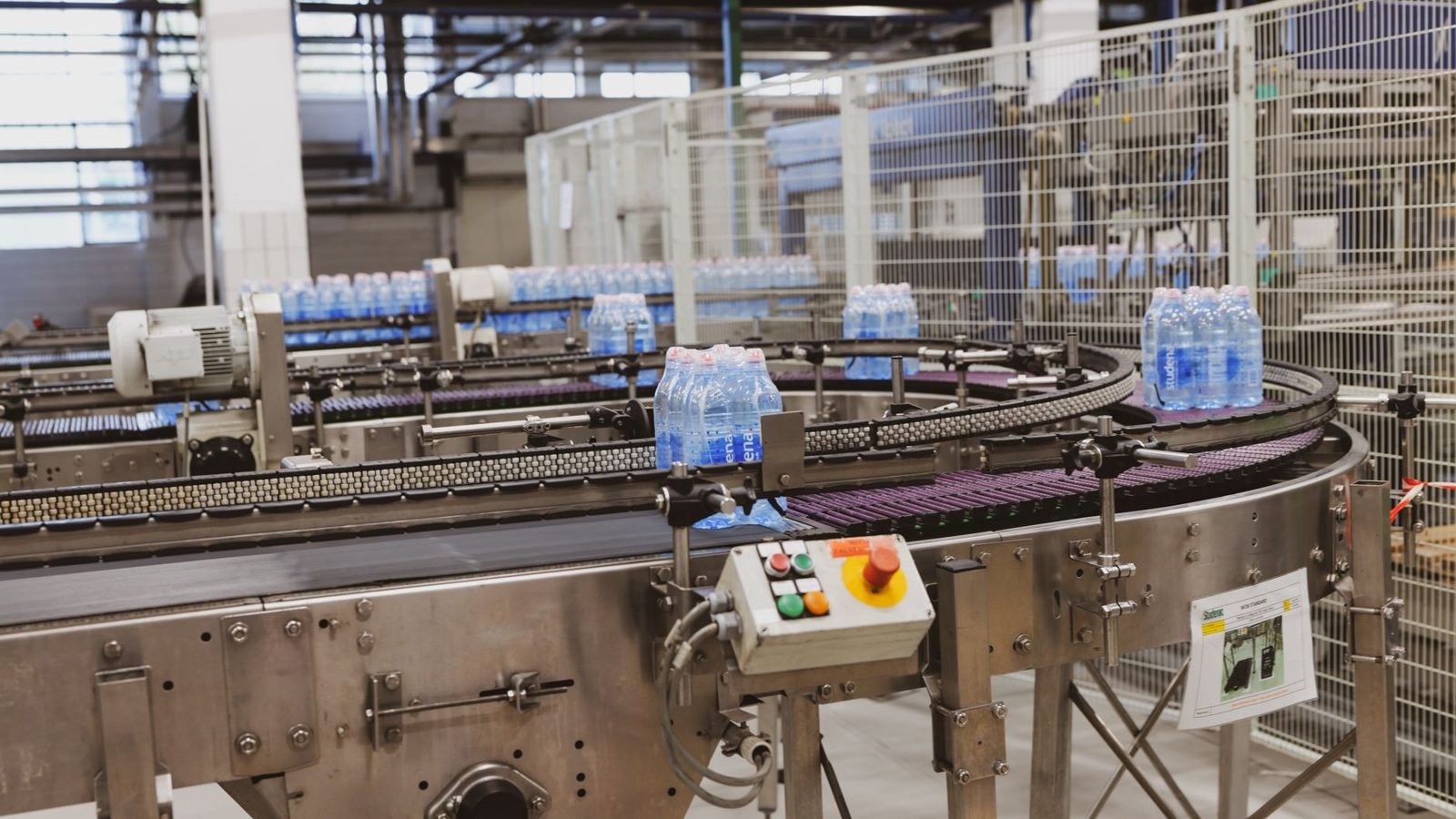
In barely a week in September, three news stories shared the same background: Spanish manufacturers starting up new lines. On 4 September, Infoodspro reported that Audens Food, which invested around €20 million in its plants in 2025, has committed €36.8 million up to 2030, mainly at Freigel FoodSolutions (Zamora), where two new production lines will take capacity above 40,000 tonnes a year. On 6 September, Castilla y León Económica covered Frías Nutrición's priority industrial project in Villalonquéjar (Burgos): new production and packaging lines for plant-based drinks and an automated logistics warehouse, between this year and 2027. And on 10 September, Xataka explained that Anitin has expanded its Castelló factory with around €60 million and 16,000 additional square metres, has started a fifth line able to produce 22,000 kilos a day and expects to bring the sixth on stream before the end of the year.
These are different sectors (frozen food, plant-based drinks and toasted bread snacks), but the challenge is the same: a new line does not deliver its planned output on day one. Between commissioning and steady state there is a ramp-up curve, and what is done in those weeks decides how long the investment takes to deliver what it promised.
What it means for a packaging plant
The usual temptation is to measure the new line "once it is stable". It is the other way round: ramp-up is when you learn the most and, typically, when you have the least data. If OEE (availability, performance and quality), every stop with its cause and counted waste are recorded from the first shift, the ramp-up curve stops being a feeling and becomes a list of problems ranked by what they cost.
On a new line, losses rarely come from the main machine. They tend to sit in the transitions: the conveyor that accumulates badly between filler and case packer, the format that takes too long to adjust, the labeller that stops because of a poorly spliced reel, or palletising that cannot keep up with the new capacity. Without a record by cause, those micro-stops get lost in the shift and nobody ever sees them added up.
Quality deserves the same care. A line that introduces new products, or runs faster, multiplies the chances of a date, batch or label error. Checking 100% of packs from the first batch avoids a set-up mistake being discovered by the customer. And in maintenance, start-up is the best moment to capture a baseline of how motors, gearboxes and bearings behave while everything is new: without that baseline, it is much harder later to tell what is a drift.
Finally, data is useful beyond the report: with several identical or similar lines (the fifth and sixth, for example), comparing their OEE by shift and by format shows which settings work and lets you carry them from one to the other. On our page about OEE, stops and waste we explain how this is measured line by line.
Practical keys for starting up a new line
- Measure from the first shift: OEE, stops with their cause and waste, even if the line is not yet fine-tuned.
- Watch the transitions: accumulation, format changes and end of line account for much of the micro-stops.
- Check date, batch and label on 100% of packs, especially if the line introduces new products or runs faster.
- Capture an equipment baseline (vibration, temperature, power draw) while it is new, so any drift can be spotted later.
- Compare twin lines by shift and by format to carry what works from one to the other.
A capacity investment pays back sooner when the line reaches its planned rate quickly, and that depends largely on what is measured in the first weeks. If you are preparing to commission a line, let's talk.