OK
OK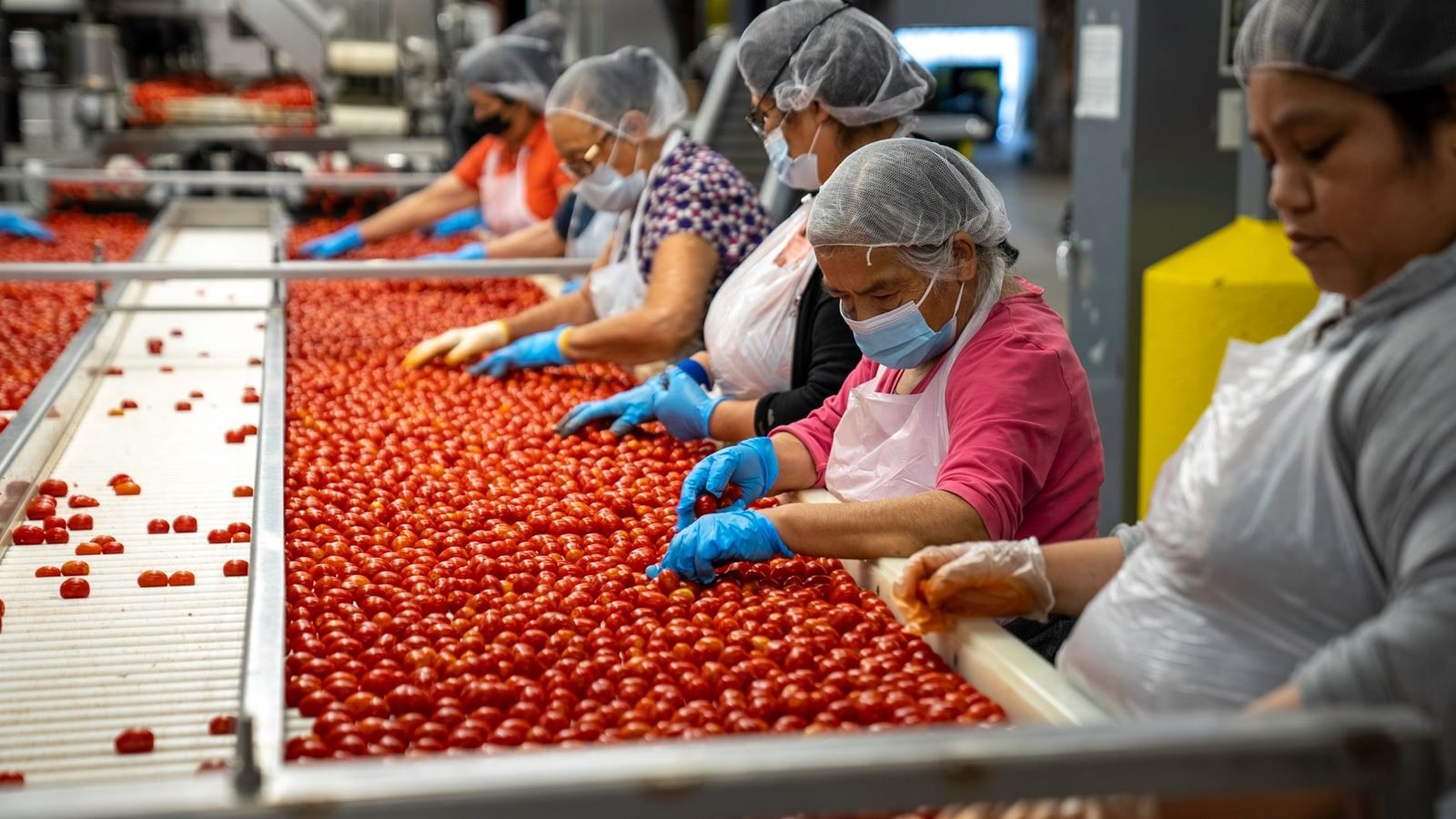
The Foodiverse group, parent company of Verdifresh, closed 2025 with turnover of 384 million euros, up 19.8% on the previous year, according to FreshPlaza. During the year it developed 130 new products, taking its catalogue to more than 1,600; it sells in 16 markets to more than 350 customers and added two factories in Germany, in Straelen and Reutlingen, which it has integrated with Thurländer Salate into a three-plant platform. By company, Verdifresh grew by 19.5%, Italy's Ortoverde by 16.6% and Switzerland's Josef Müller Gemüse by 10.4%.
The group now describes itself as a European agro-industrial platform for fresh convenience food and is taking complete salads, cooking kits, hot dishes and ready-to-eat formats to Fruit Attraction, from 6 to 8 October.
What it means for a packaging plant
Growing through new products has a side that never shows up in the accounts: every SKU is one more changeover on the line. With a catalogue of that size, a plant stops running long batches and strings together short ones, and the time the line stands still between them (changing film or tray, label, recipe, adjusting the format, cleaning) becomes one of the largest OEE losses, even though it is rarely measured as such.
With fresh products the pressure is twofold. Shelf life is counted in days and there is no producing for stock, so changeovers must be fast and, above all, error-free: the label, date and batch code of the new product must be right from the very first pack, because a labelling error means withdrawing product.
The classic tool is SMED: separating what can be prepared while the line is running (materials for the next product, tooling, recipe loaded) from what forces it to stop, and shortening the latter with repeatable settings, end stops, markings and parameters stored per product. The first step is not to buy anything but to measure: how many changeovers there are per shift, how long each one really takes and how long the line needs to get back to rated speed afterwards. Our page on continuous improvement explains how we approach that analysis.
It is also worth looking at the catalogue through data. Often a small share of SKUs accounts for most of the volume, while the rest concentrates the changeovers, start-up waste and complexity. Knowing what each SKU costs on the line helps decide what to group, what to run back to back and what is better moved to another plant.
Five keys for lines with many SKUs
- Measure the whole changeover: from the last good pack of one product to the first good pack of the next at rated speed, not just the time the machine is stopped.
- Sequence with judgement: plan production so that changeovers are small (same film, same format, different product) before tackling the big ones.
- One recipe per SKU: machine, label and format parameters stored and loaded from a single place, not set by hand at every changeover.
- Check the first pack: an automatic check of label, date and batch code when each product starts prevents one error from repeating across the whole batch.
- A written, living standard: a changeover sheet with steps, owners and target times, updated whenever an improvement is found.
A growing catalogue is good news for the business; whether it eats into line capacity depends on how each changeover is managed. If your plant is in that position, let's talk.