OK
OK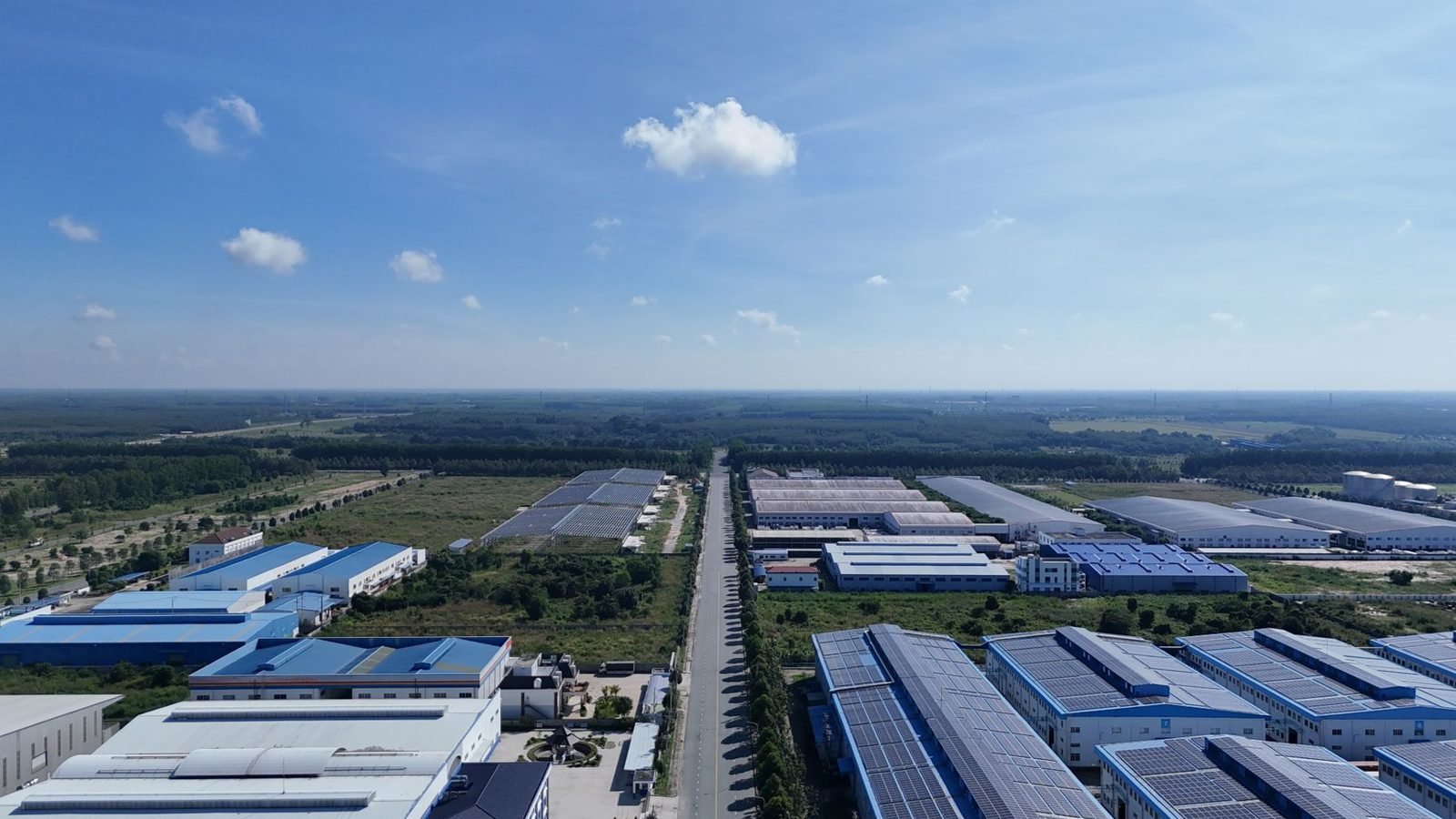
Carmencita, the spice and seasoning company founded in Novelda (Alicante, Spain) in 1923, has brought its new Fondonet industrial complex, in the same town, into operation. The project represents an investment of €25 million and covers 27,000 square metres of built space, with a further 18,000 reserved for future expansion. Since September every work area has been running at the new site, which was visited on 10 September by the Spanish Prime Minister, Pedro Sánchez.
The factory brings together raw material reception and treatment, grinding, mixing, production and packaging on a single site, alongside R&D laboratories. According to the company, the upgrade introduces new levels of automation, robotisation, control and traceability across its processes. It is complemented by a logistics platform of more than 10,000 square metres at the Elche business park. Carmencita employs 462 people, has a catalogue of more than 700 references made from over 60 raw materials, and sells in more than 80 markets across retail, foodservice and industry.
What it means for a packaging plant
What makes this case relevant is not only the size of the investment but the combination of factors: a very broad catalogue, many different raw materials and sales in dozens of countries. It is an increasingly common profile in food manufacturing, and in it the challenge lies less in line speed than in variety.
With hundreds of references, every format or recipe changeover is a moment of risk: the right pack with the wrong label, a wrongly assigned batch or a date that does not print properly. For export products, language and each destination's labelling requirements are added to the mix. If checks on the line are visual and manual, this kind of error is rarely caught in time, and when it surfaces at the customer it usually ends in a recall.
Traceability also starts well before packaging. In blended products, each finished batch depends on several raw material batches. If that link is recorded on paper or in loose spreadsheets, reconstructing an incident can take days. Designing a plant from scratch is the moment to make sure every step — reception, grinding, mixing and packaging — leaves a digital record that can be queried in minutes.
Finally, automation and robotics change the nature of the problems. With fewer people beside the line, there are fewer eyes to spot a defect by chance. Inspection has to be built into the process itself, and data on stoppages, rejects and changeovers must reach the people who make decisions.
Practical takeaways
- Check every unit, not a sample: automatic reading of date, batch and code on the pack, compared with the active production order, is the most reliable way to prevent product mix-ups.
- Do not start without a validated changeover: the line should not run until label, pack and recipe match what has been scheduled.
- Link input and output batches: a digital batch genealogy lets you narrow an incident down to specific batches instead of recalling an entire production run.
- Measure changeovers: with a broad catalogue, changeover time weighs heavily on overall efficiency; recording it is the first step towards reducing it.
- Plan for growth in the data too: if floor space is reserved for expansion, the control and data architecture should also accept new lines without starting over.
Carmencita's case illustrates a clear trend: plant investments are no longer measured only in square metres, but in the ability to handle variety without errors. If you are planning something similar, let's talk.