OK
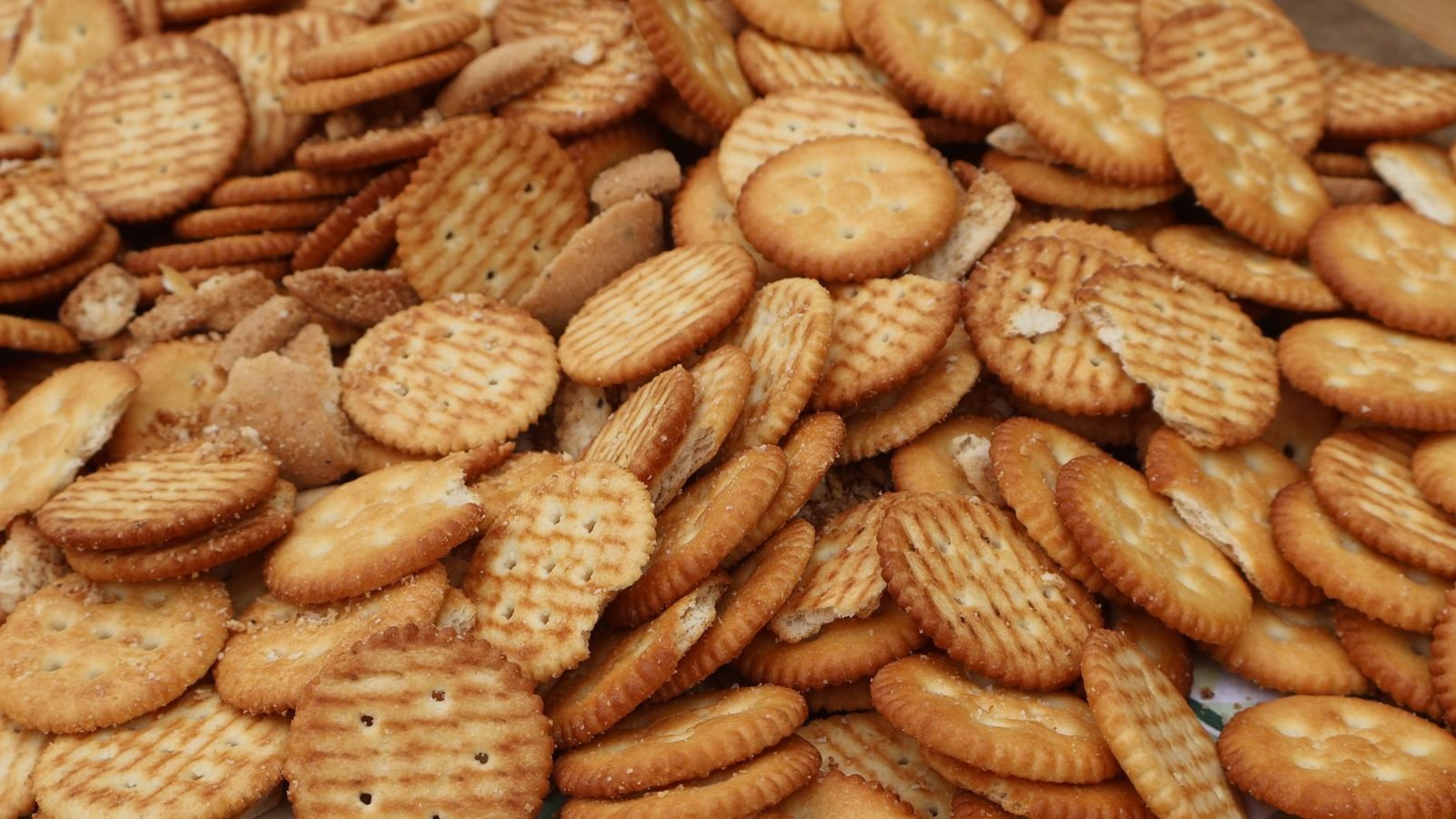
Galletas Gullón will invest 196.3 million euros between 2026 and 2030 in a plan that the regional government of Castilla y León has declared a Priority Industrial Project, according to Zamora News. The declaration halves the permitting times that depend on the regional authorities. The plan has two parts: a robotised logistics platform in Aguilar de Campoo, with a 38-metre climate-controlled silo holding 37,400 pallets, and a new factory in Villamuriel de Cerrato, also in the province of Palencia.
The second is the one that matters most from the line's point of view. It will be the company's first factory outside Aguilar de Campoo since it was founded in 1892, as Interempresas notes, and it will make homogenised food preparations and dietary products, with a focus on gluten-free and lactose-free ranges. It will start with three lines, is prepared to add up to nine more, and the project includes digitalisation, batch traceability, allergen control, inline inspection and energy-efficiency measures. The company expects to create 140 direct jobs.
What it means for a packaging plant
Moving gluten-free and lactose-free production to a dedicated site is in itself an allergen-control measure: it removes much of the cross-contamination risk of a shared plant. But the risk does not disappear entirely; it moves to packaging. For a gluten-free product, the most likely error is no longer the wrong raw material but the wrong pack: a reel of film or a label from another product, a badly printed batch code or a case that does not match what is inside. And that error has the same consequence as contamination, because a coeliac or intolerant consumer relies on what the pack says.
That is why, in a factory like this, inline inspection is not an add-on but part of the design. The sensible approach is to check on every pack that the packaging material matches the product being made (by code, text or graphic pattern), that the date and batch code are legible and correct, and that the pack is properly sealed. Cameras with character reading and code verification do this at line speed and divert the faulty unit before it reaches the case. Our page on date and batch code inspection explains how it is approached.
Batch traceability is the other half. If every camera reading is stored with its batch, time and line, a complaint can be narrowed down quickly to what was made, with which material and what left the plant, instead of withdrawing whole days of production. And a factory that starts with three lines and is designed to grow has an advantage: it can set one standard for inspection, data and recipes from day one, so that each new line joins without reinventing anything.
Four keys for allergen-free lines
- Verify the packaging material: that film, label and case match the current product, checked automatically at every start-up and throughout production.
- Read date and batch code on every unit: not by sampling; an illegible code on a product for coeliacs is a product that cannot be sold.
- Record every rejection with its cause: the data supports traceability and shows what fails most (printer, material or seal).
- One standard for every line: the same criteria, recipes and data from the first line, so the plant can grow without losing control.
Building a plant from scratch is the best opportunity to make allergen control and traceability part of the design rather than adding them later. If you are planning something similar, let's talk.