OK
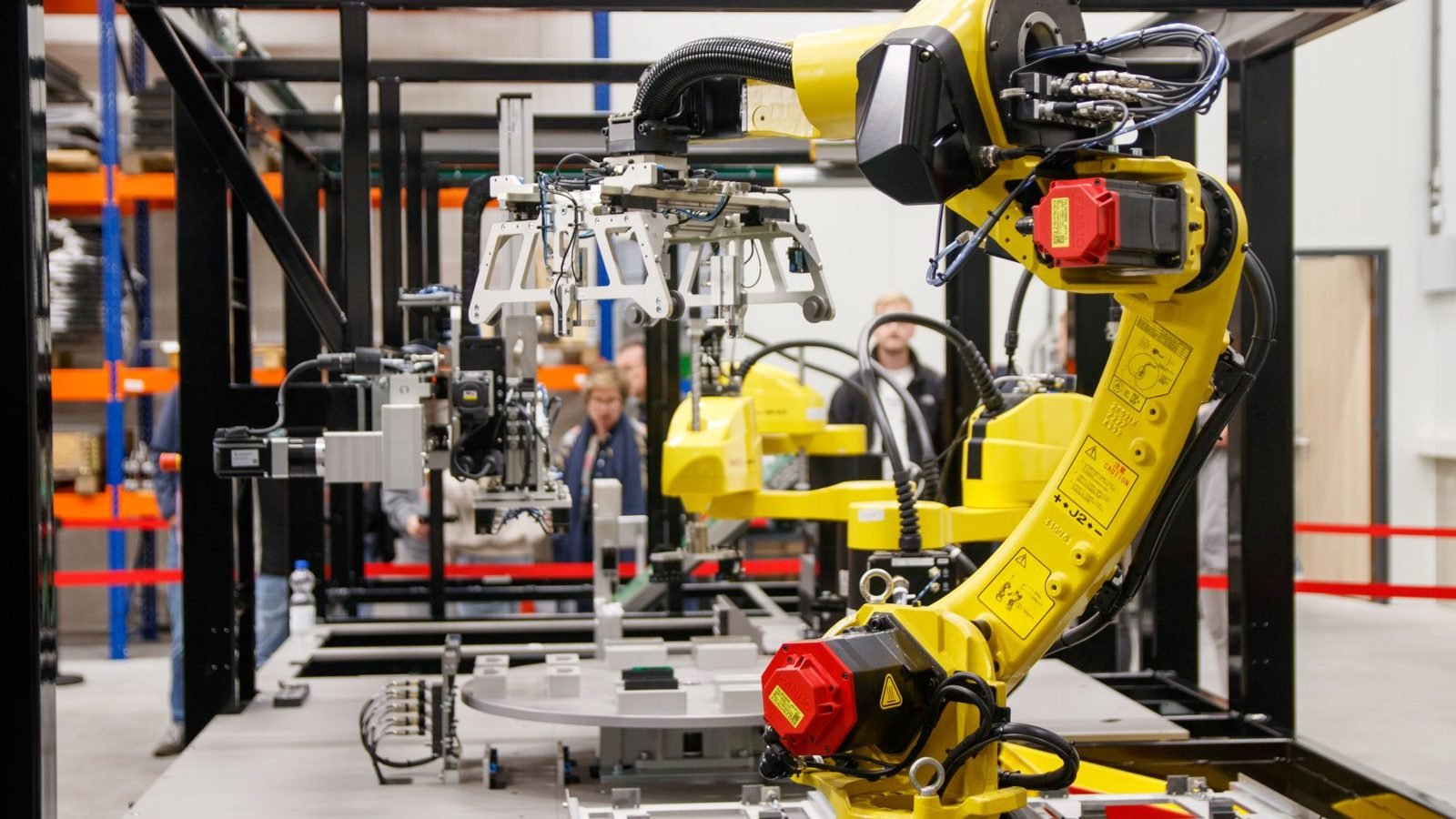
ULMA Handling Systems, the division of the Spanish ULMA group (Oñati, Gipuzkoa) devoted to automation and robotisation systems, has taken a 30 % stake in Automach, an engineering firm based in Álava. According to Alimarket, the deal was formalised in August, when the change of management was published in Spain's Official State Gazette, and ULMA joins the board without taking control. The price has not been disclosed. The two companies have worked together since 2015.
Automach develops robotic and cobotic systems based on machine vision for handling, assembly, inspection and quality control, as well as bespoke machines, with customers in automotive, aerospace, electrical and electronics, transport and intralogistics. In 2025 it had a turnover of 4.3 million euros and an average workforce of 27. The ULMA group closed that year with a turnover of 1,238.9 million euros and more than 6,000 people. According to Crónica Vasca, ULMA aims to strengthen advanced robotics, machine vision and the use of artificial intelligence in automated processes.
What it means for a packaging plant
In figures the deal is small, but it points in a clear direction: companies that move product (conveyors, warehouses, palletising) want to be close to those who know how to make a robot see. It makes sense. A robot picking cases, trays or packs that do not always arrive in the same position needs a camera to locate them. And if there is already a camera looking at every item, it can do more than guide the gripper.
On a packaging line this turns into concrete questions. If an end-of-line cell already uses vision to pick the product, can it also check that the label is the right one, that the date and batch code are readable or that the case is properly closed? Every check done at that same point is one less inspection station to install, adjust and maintain separately. But it is also a new responsibility: if the camera guiding the robot also decides what gets rejected, you need to know who sets the criteria, how they are validated and what happens with false rejects.
The second point is data. An inspection camera leaves a record of every pack: what it saw, what it rejected and why. If that record stays inside the machine, half its value is lost. Connected to line data, it explains waste and stops and provides traceability when a complaint comes in. We explain this on our machine vision page.
The third is day-to-day operation. Vision depends on lighting, formats and recipes. In a plant with frequent SKU changes, someone in-house must be able to set up a new format without waiting for the integrator, and the system must raise an alert when it starts rejecting more than usual.
Key points if you are adding robots with vision
- What the camera sees: ask whether it only locates the product or can also inspect label, date, batch code or closure.
- Tests with your packs: ask for trials with your real product, your formats and your worst cases, not catalogue samples.
- False rejects: agree before buying how they are measured and what figure is acceptable.
- Data out of the machine: make sure every reading and every reject can be exported or connected via OPC UA, Modbus TCP or SQL.
- Changeovers: check that your team can create and adjust recipes without always relying on the supplier.
Robots and vision are increasingly going together, and that changes how a line is bought and maintained. If you are planning something similar, let's talk.