OK
Empack, Logistics & Automation and LIB return to IFEMA Madrid on 11 and 12 November, in Halls 2, 4 and 6. According to the organisers' press release, more than 450 exhibitors are expected across 31,500 m², 102 of them new, with a conference programme of more than 250 speakers. Entry is free and a single registration covers all three shows.
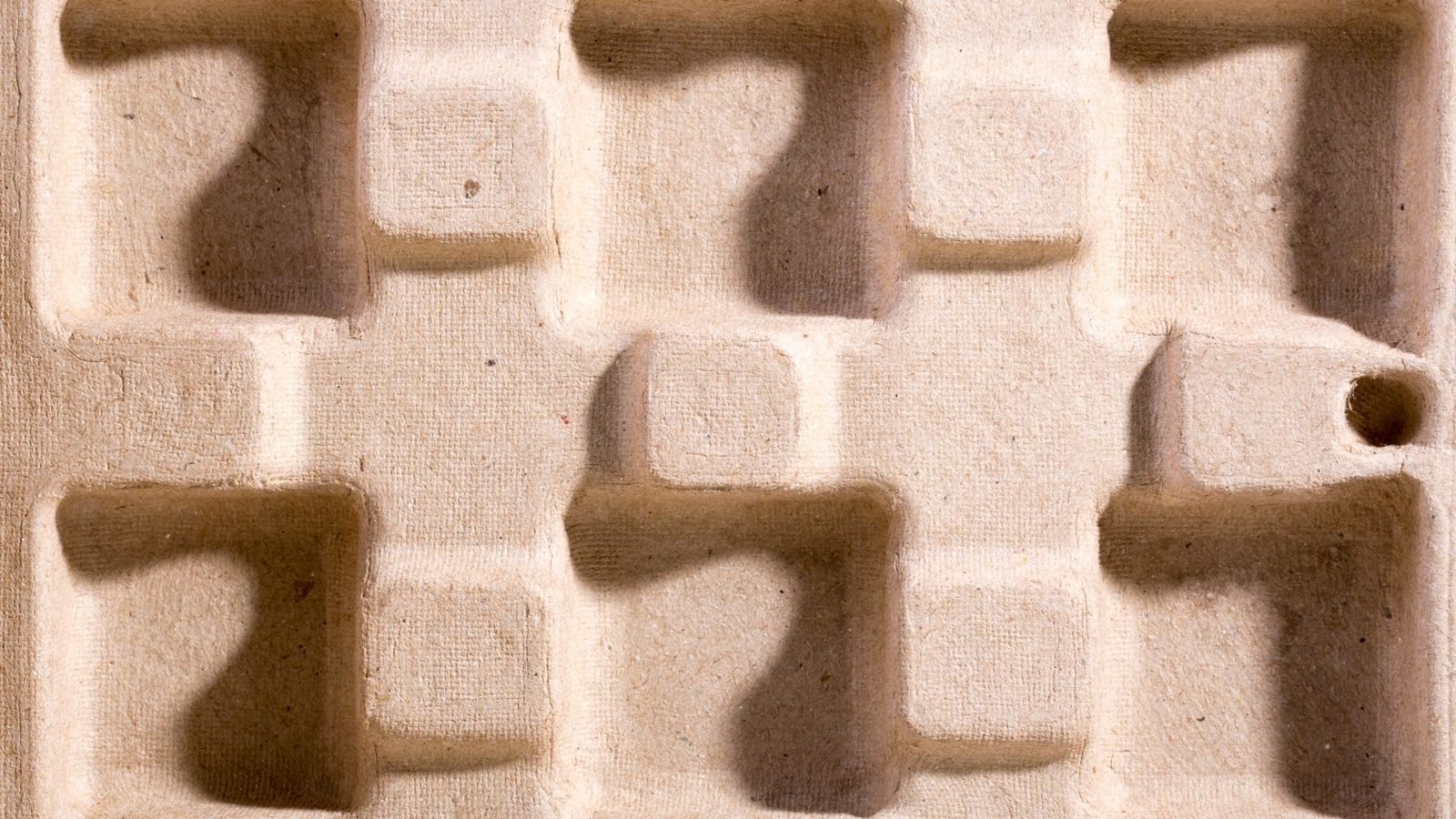
The new feature that matters most to a packaging plant is Empack Reuse, an area dedicated to reusable packaging, created in response to the European Packaging and Packaging Waste Regulation (PPWR). As Novologística points out, the regulation has applied generally since 12 August. Both days open with the PPWR Academy, a programme on what the regulation means and the challenges of putting it into practice. Logistics & Automation launches the AI & Logistics Tech area, with 36 artificial intelligence and software companies across 700 m². New exhibitors include makers of packaging materials, packaging design software, motion components and sensors, such as Stora Enso, Esko, igus, SEW-EURODRIVE and Banner Engineering.
What it means for a packaging plant
The regulation is decided in offices, but it shows up on the line. Changing material or format to comply, for example moving to a mono-material film, more recycled content or a fibre tray instead of plastic, changes how the machine behaves. The sealing window is not the same, the film pulls differently, the label does not stick in the same way and a case with a different stiffness forms differently.
What usually happens is that the change is tested with a few reels, seems to work, and the problems arrive a few weeks later: open or wrinkled seals, more rejects, more minor stops at the case erector or the labeller. If the line does not measure stops with their causes, rejects and waste before and after the change, nobody will know what the new material has cost or where to act. That is why trialling new packaging should be done with data, not by eye.
Sealing deserves special attention. With new materials it is where most defects appear and where they are hardest to see: a weak seal or one with trapped product can pass the line and open in the warehouse or the shop. Camera inspection of 100 % of packs, with every reject recorded, helps tune the recipe for the new material and leaves traceability. We explain it on our seal inspection page.
Reusable packaging brings another challenge: the pack comes back. Returnable crates and containers arrive with dirt, dents or label residue, and each one has to be checked before it is filled again. That is inspection and handling work which, in many plants, is still done by hand today.
Key points to make the most of the visit
- Bring your packs: samples of your current material and of the one you are considering, so suppliers talk about your case.
- Ask about sealing: how it is controlled with new materials and what happens to what goes wrong.
- Ask for the data: every machine should provide stops, rejects and counters via OPC UA, Modbus TCP or similar.
- If you plan to reuse, think about the return: cleaning, checking and handling every pack that comes back.
- Put the PPWR Academy in your diary: it opens both days and is the quick way to get up to date on the regulation.
Changing packaging without losing performance is possible, if it is measured from the first reel. If you are planning something similar, let's talk.