OK
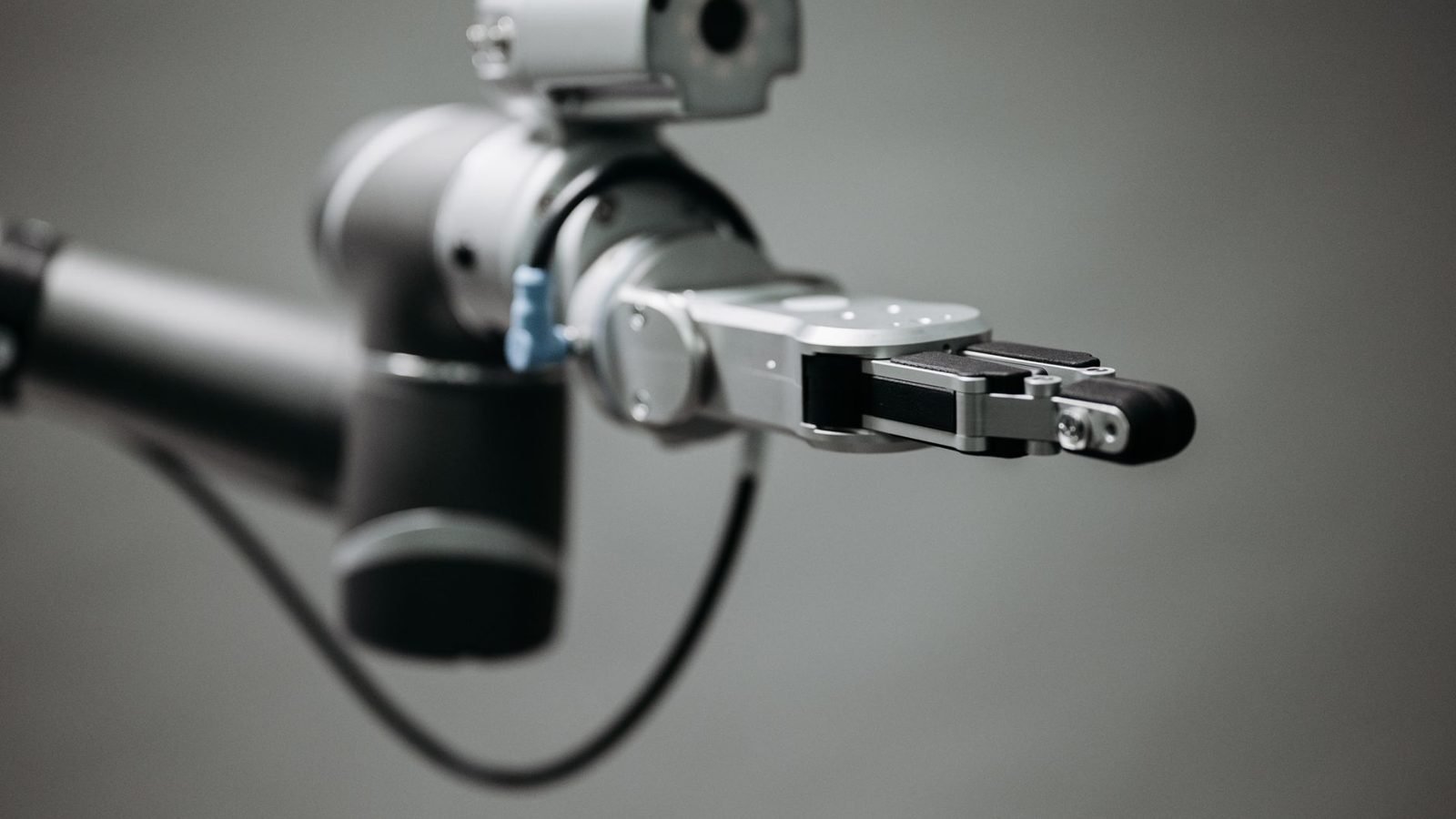
On 22 September, Cognex, one of the major manufacturers of industrial machine vision, announced a definitive agreement to buy RealSense, a specialist in depth cameras that allow robots to perceive their surroundings. According to the official press release, the deal is worth around $500 million, is funded from Cognex's own cash and investments, and is expected to close in the fourth quarter of 2026, subject to customary conditions. RealSense was founded within Intel in 2014, became independent in 2025, and its cameras are used in vision-guided robot arms, autonomous mobile robots, quadrupeds and humanoids. Before closing, its facial authentication line will be spun out as a separate company.
The figures Cognex gives explain the move: it expects RealSense to generate between $80 and $90 million in revenue in 2026, more than 50% up on the previous year, and it estimates the robotic perception market at around $600 million today, growing by more than 25% a year to about $1.6 billion by 2030. Its chief executive, Matt Moschner, presents the acquisition as the step towards a complete platform, from code reading and 2D and 3D measurement through to depth perception and robot navigation. RTTNews also reports the deal.
What it means for a packaging plant
On most lines, the camera and the robot have been two separate worlds: vision inspects and reads, and the robot repeats fixed paths on a product that always arrives in the same position. This acquisition confirms a trend already visible at trade shows: the robot that looks before it picks. In a packaging plant, that opens up tasks that are still manual today simply because the product does not arrive in order: depalletising supplier cases of different heights, picking bags or flexible packs from a pile, building mixed pallets or feeding a machine from a bin.
3D perception does have its limitations, however. Shiny surfaces, shrink film, transparent bottles and products that deform all make depth measurement harder, and the light in the hall changes throughout the day. That is why a valid test is one carried out with your product, your packaging and your lighting, at the line's real speed, not with demonstration cardboard boxes. Camera-to-robot calibration matters too: if it is lost after a knock or a tooling change, you need to know how long it takes to restore and who does it.
The other reading is about the market: vision and robotics are coming together under the same manufacturers. If you already have equipment installed, it is worth asking what happens to software, spare parts and support when a brand changes hands, and favouring integrations based on open protocols that do not depend on a single supplier. Our page on automation and cobots explains how these projects are approached on an existing line.
Four keys before installing a robot that sees
- Start with the most costly task: the one that needs a person today only because the product arrives in disorder, such as depalletising, bin picking or mixed pallets.
- Test with the hard cases: film, transparent or shiny packs, products that deform and changing light, always at real speed.
- Measure the full cycle: failed picks, retries and stoppages per thousand items, not just top speed.
- Secure continuity: open communication with the PLC (OPC UA, Modbus TCP), documented recipes and a support plan covering several years.
When one of the big names in industrial vision pays $500 million to teach robots to see, it says a lot about where the end of the line is heading. If you are thinking about automating a task like this, let's talk.