OK
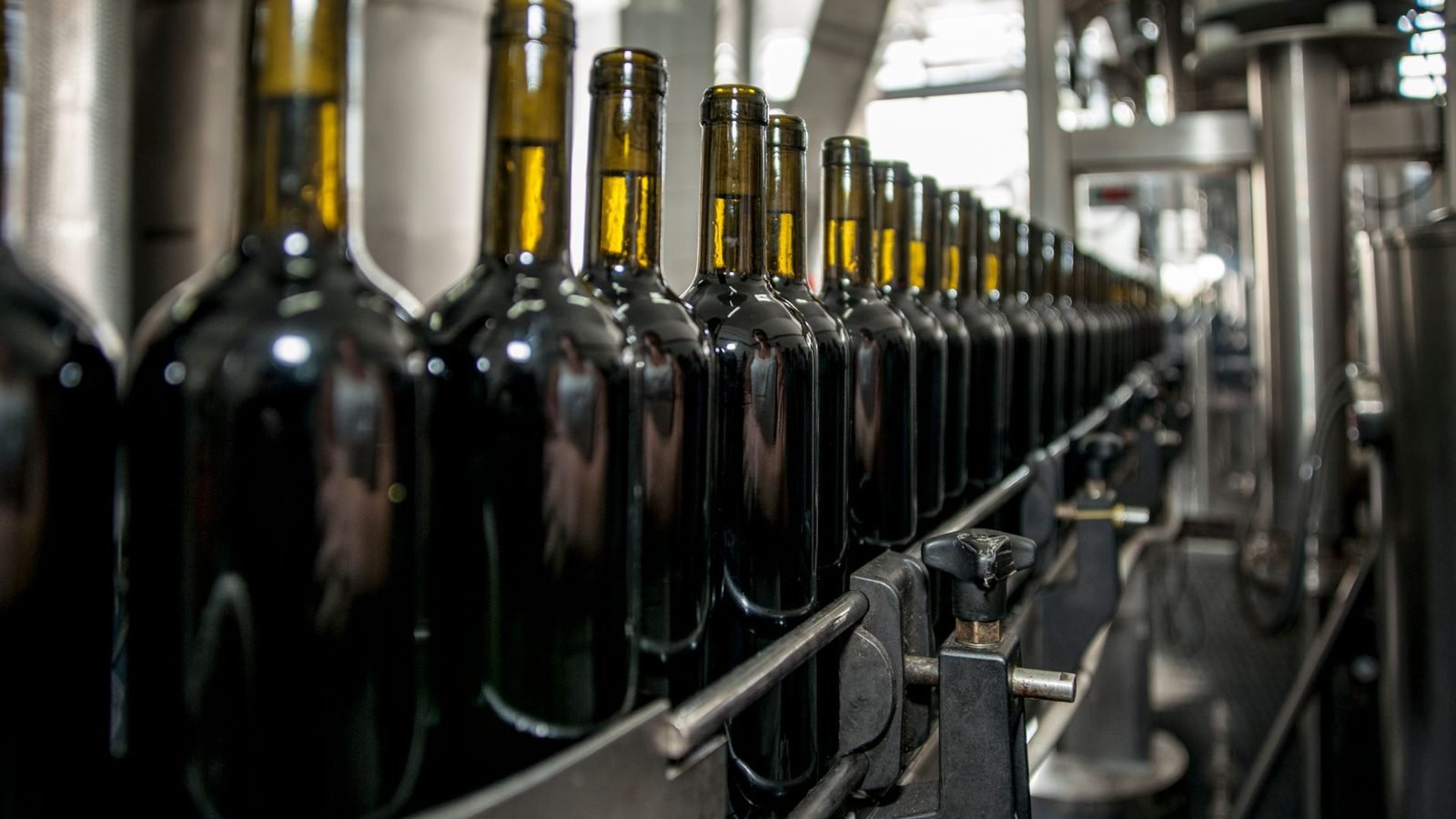
Three Spanish wineries have made their move in recent weeks, and all three point the same way: more product variety going through the line. Bodegas Barbadillo is installing a new bottling line in Sanlúcar de Barrameda, with which it expects to gain 60 % in capacity. According to Vinetur, the line is designed to raise volume, maintain quality and shorten format changeovers, and the project adds 500 m² of logistics space for storage, order picking and distribution. The winery frames it within its strategic plan and an ever wider range that combines traditionally aged wines with ready-to-drink beverages and low- and no-alcohol wines.
On 16 November, Williams & Humbert launched Pando Spritz, a lightly sparkling drink with Buddha's hand citron and mint, designed to bring sherry to the aperitif and to a younger audience, in a bottle designed to be recognised at first glance. Two days later, Grupo Marqués del Atrio announced its project to incorporate Bodegas Mitos, in Requena, to gain winemaking capacity in the Utiel-Requena D.O., where it says it has grown by close to 20 % in 2026; its Faustino Rivero Ulecia brand is up by more than 30 %. The group also wants to develop new Bobal wines for the restaurant channel. The deal is still described as a project.
What it means for a packaging plant
More products on the same line mean more format changeovers, and every changeover is the riskiest moment of the shift. Front and back labels are changed, sometimes the capsule, the closure or the bottle, and guides and labeller are adjusted. The typical errors repeat from winery to winery: back labels from the previous run left in the labeller magazine, the previous order's lot code still in the coder, a crooked label after the adjustment, or the capsule from another product. A bottle with the wrong back label that reaches the customer can end in a recall, all the more so when the language or destination country changes.
At higher speeds, visual checks at the labeller outfeed can no longer keep up. Vision inspection checks 100 % of bottles: presence and position of front and back labels, that the label belongs to the product being run, capsule or closure, fill level, and that the printed lot code is legible and correct. In a winery with many products, the key is for the camera to load its recipe with the production order, so that the changeover also changes what is inspected without relying on someone remembering. We explain it on our machine vision page.
The other half is measuring the changeover itself. Barbadillo has set itself the goal of shorter changeover times; to know whether that is achieved, you need to record how long each changeover takes, by product and by shift, and how long it takes to get back to nominal speed. It is the same thing we saw at a company with 1,600 products and with the 0.0 cider that shares a bottle with the traditional one: when two products look very alike, the control system has to tell them apart.
Practical points
- One recipe per product: expected front label, back label, capsule and lot code, loaded with the production order.
- Empty and check at every changeover: label magazines, coder and first bottles, with a record.
- Measure the changeover: duration, bottles rejected at start-up and time to nominal speed.
- Rejects with evidence: every rejected bottle with its image and lot code, to know what failed and when.
- Think about end of line: more bottles per hour also means more cases and pallets to identify.
Growing the range is good news for a winery, as long as the line always knows what it is bottling. If you are preparing something similar, let's talk.