OK
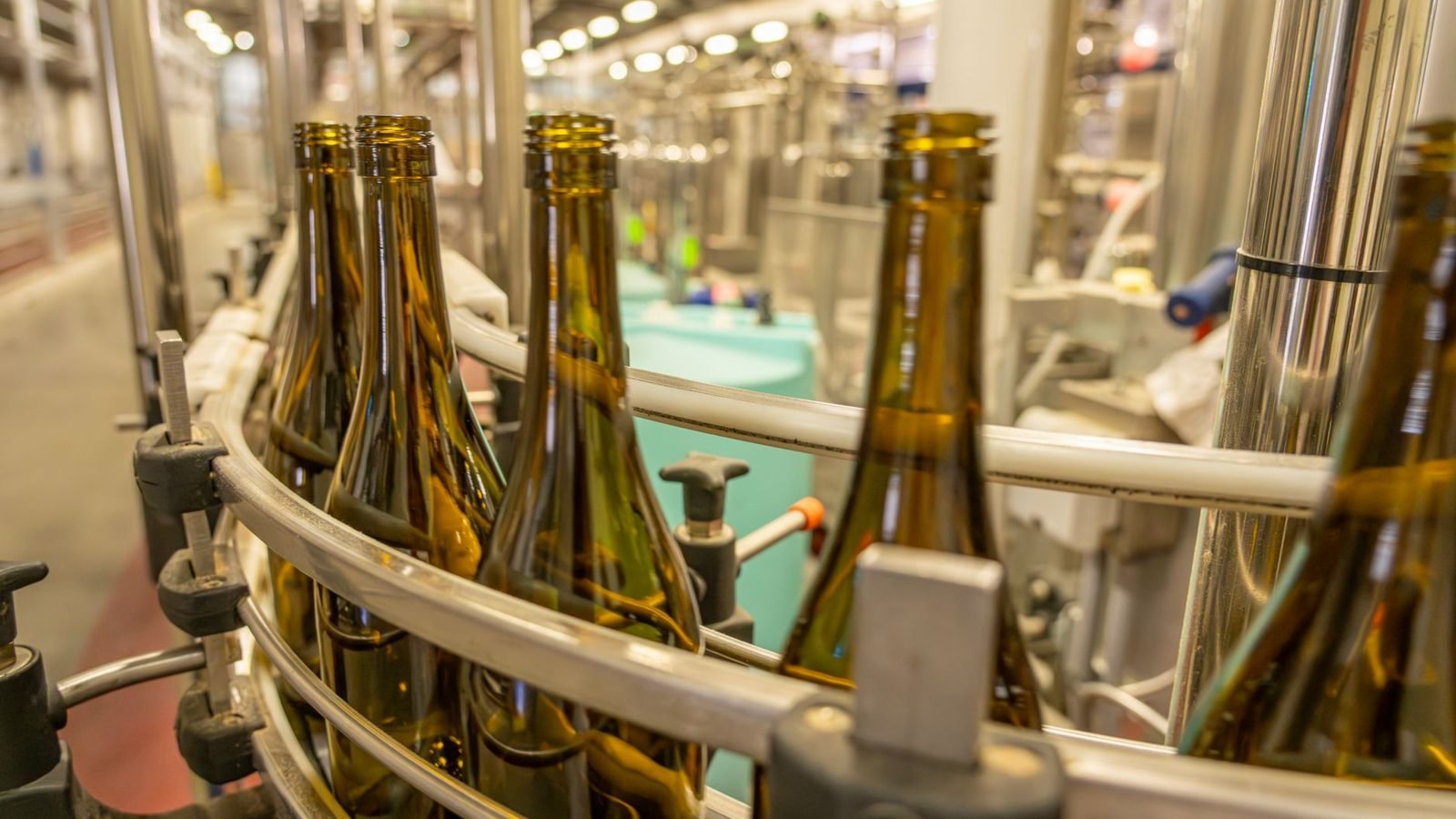
The Galician regional government (Xunta de Galicia) has published in its Official Gazette the declaration of the expansion of Bodegas Martín Códax in Cambados (Pontevedra, Spain) as a project of regional interest. According to the statement from the regional Department of Rural Affairs, dated 26 October, the project involves €18.6 million on a 47,000 m² site and will create around twenty jobs. The declaration rests on the cooperative's weight in the wine sector: its activity spans 12 municipalities in the province, in the Val do Salnés subzone. No timetable has been published.
The plan goes beyond the winery itself. It includes upgrading and enlarging the production and logistics facilities, increasing storage capacity, creating a logistics distribution platform and fitting out offices, staff areas and spaces for wine tourism and cultural activities.
What it means for a packaging plant
When an expansion brings production, warehousing and distribution into the same project, the sensitive point is usually in between: where the filled bottle becomes a case, the case becomes a pallet and the pallet becomes an order. It is the stretch least drawn on the plans and the one most felt when volume rises.
The first point is traceability. If the warehouse and distribution grow, every pallet has to carry its batch, date and SKU without anyone copying them by hand. The practical approach is to read the code on each case as it leaves the case packer, check that it matches what is being bottled and link cases to their pallet automatically. A complaint or a recall is then resolved by looking up a record, not by searching the warehouse. In wineries with many SKUs and vintages, the classic mistake is a front or back label from another batch; we explained it with the case of two products in the same bottle in our article on alcohol-free cider.
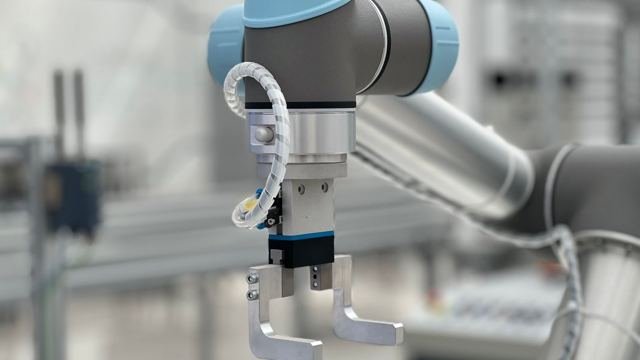
The second is end of line. Enlarging production and logistics facilities means more cases to move every shift. Palletising wine cases is repetitive, heavy work, and one of the hardest positions to fill. A cobot can do it alongside people, with less guarding than a conventional cell, and switch pallet patterns when the case format changes. It is best decided while the building is still on paper, because space, aisles and forklift access depend on it; as we noted when discussing automating before hiring, doing it later costs more. We summarise it on our automation and cobots page.
The third is data. An expansion is designed around nameplate capacities, but what counts is what the line actually delivers: how many hours it produces, how long it stops and why, how long each SKU changeover takes and how many bottles or cases are rejected. Measuring it from the first week shows whether the bottleneck is at the filler, the labeller or the palletiser, and avoids expanding what did not need it.
Key points for expanding a winery
- Case-to-pallet traceability: read the code on every case and link it to its pallet with no manual steps.
- Front and back labels checked: with many SKUs and vintages, a camera that verifies every bottle prevents mix-ups.
- End of line on the drawing: decide on cobot palletising before the building goes up, not afterwards.
- Measure from day one: stops with their causes, SKU changeovers and rejects on every line.
- Production and warehouse, one set of data: logistics should know in real time what leaves the line.
The project has no published timetable yet, and that is exactly the stage at which these decisions are cheapest. If you are preparing something similar, let's talk.